Source Portable Concrete Steel Bar Scanner for Construction
Find and compare 30 portable concrete steel bar scanner models from verified Chinese manufacturers. Evaluate key specifications such as detection ranges, accuracy, and software support to select the right tool for rebar location and concrete testing projects; compare the available evidence and request quotations based on your requirements.
Key considerations
Products List


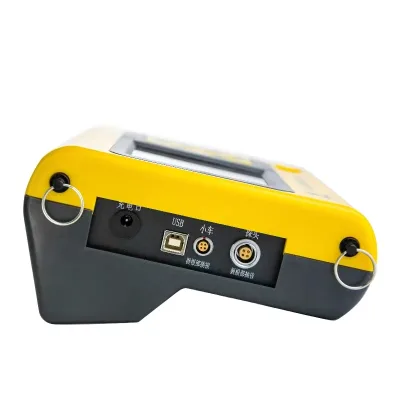
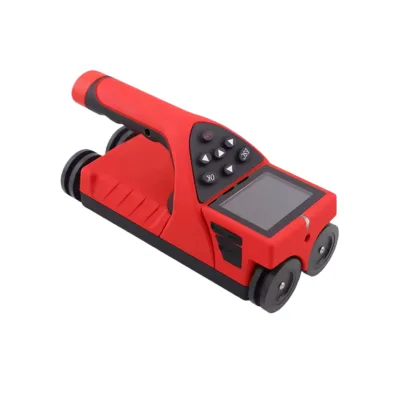


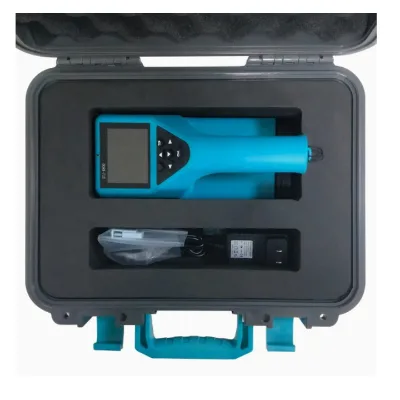


Comprehensive Sourcing Guide
Portable Concrete Steel Bar Scanner Sourcing Guide
Procurement teams must first distinguish between general concrete testing devices and specialized rebar locators, as the latter requires specific detection capabilities for embedded steel. The observed product listings indicate a clear focus on rebar detection applications, with models explicitly designed to identify steel bar locations within concrete structures. Buyers should verify that the selected unit supports the specific application of rebar detection rather than general concrete thickness measurement, ensuring the device aligns with structural integrity assessment needs.
The market data reveals a diverse range of models, from the RL-71 to the ZBL-R630A and HC-GY62, each offering distinct operational parameters. Sourcing decisions should prioritize units that provide the necessary detection ranges for the specific project requirements, such as the observed first range of 1 to 120mm or the second range extending to 210mm. Understanding these specific operational limits is critical before engaging with suppliers to ensure the hardware can effectively scan the intended concrete depths without signal loss or inaccuracy.
Product Scope and Observed Listing Signals
Buyers should analyze the observed price range of 721.3 to 3000 USD to understand the value proposition of different feature sets within the portable scanner category. This variance often correlates with the complexity of the internal sensors, the quality of the LCD display, and the inclusion of advanced PC software for data analysis. Procurement teams must determine if the higher price points reflect necessary capabilities like extended storage quantities or superior accuracy classes, rather than unnecessary premium features that do not impact the specific project scope.
The minimum order quantities observed are low, ranging from 1 to 2 units, which suggests a flexible supply chain suitable for both pilot testing and small-scale deployment. This flexibility allows buyers to acquire a single unit for initial validation before committing to larger orders, reducing the financial risk associated with equipment failure or incompatibility. However, the low MOQ does not imply a lack of customization; suppliers frequently offer OEM, ODM, and OBM support, enabling buyers to tailor the device branding and specific software interfaces to their corporate standards.
Technical Specifications to Verify
Verification of the detection range is the primary technical requirement, as units vary significantly in their ability to penetrate concrete depths. Some models support a tested range of 6mm to 50mm for steel bar diameter, while others offer broader protective cover thickness ranges from 2mm up to 200mm. Buyers must cross-reference these specifications against the physical constraints of the construction site to ensure the scanner can detect the rebar at the required depth without exceeding the device's physical limitations.
Power supply and environmental resilience are equally critical factors that determine field usability in diverse construction environments. The observed specifications include power options ranging from 6 dry cells to 220V voltage requirements, with operating temperatures spanning from -10℃ to 40℃. Procurement teams must confirm that the selected model's power source is compatible with available site infrastructure and that the device can withstand the ambient humidity levels, which should remain below 90% for optimal performance.
Compliance and Safety Documentation
While specific certification documents were not explicitly listed in the provided product facts, buyers must request evidence of compliance with local electrical safety standards and electromagnetic compatibility regulations. The presence of a 220V voltage specification on certain models necessitates verification that the power input systems meet the safety protocols of the destination country. Ensuring that the device adheres to relevant international safety standards is essential to prevent operational hazards and to maintain liability coverage during field operations.
Documentation regarding the warranty and after-sales support is a vital component of the procurement package, as it defines the recourse available in case of equipment failure. The observed warranty periods vary, with some models offering 24 months and others providing 1 year of coverage. Buyers should explicitly clarify the terms of these warranties, including whether they cover accidental damage, battery replacement, and the availability of replacement parts, to ensure long-term operational continuity without unexpected downtime costs.
Cost Drivers and Commercial Terms
The total cost of ownership is influenced by the packaging and shipping logistics, as observed single package sizes range from 30x19x15 cm to 35x20x12 cm with varying gross weights. These physical dimensions directly impact freight costs and storage requirements, particularly for buyers importing multiple units from China. Procurement teams should calculate the landed cost by factoring in the shipping volume and weight, ensuring that the budget accounts for the logistical expenses associated with transporting these individually packaged or carton-cased units.
Lead times and delivery schedules are significant commercial variables that affect project planning and resource allocation. The observed delivery time of 7 to 10 working days indicates a relatively quick turnaround for standard orders, but this may vary based on customization requests or stock availability. Buyers must confirm the exact lead time for their specific configuration, especially if they require OEM branding or specific software integrations, to avoid delays that could stall critical construction inspection timelines.
Supplier Qualification and Quality Control
Supplier qualification should focus on the manufacturer's origin and their capacity to provide consistent quality across different product models. The observed data indicates origins in Anhui and Hebei, China, regions known for manufacturing industrial testing equipment. Buyers should verify the supplier's production history and quality control processes to ensure that the devices, such as the R51+ or HC-X6, maintain the claimed accuracy of ±1% and the permissible error of ±1 grade across all units in the order.
Quality control extends to the physical durability and performance consistency of the devices under field conditions. The specifications mention a storage quantity of 1000 components and specific weight metrics, which suggest a focus on data management and portability. Procurement teams should request sample units for independent testing to validate the claimed accuracy class and ensure that the device performs reliably in real-world scenarios, particularly regarding the detection of steel bars within the specified diameter ranges of 6mm to 50mm.
Long-Term Procurement Checks
Sustainability and long-term support are critical considerations when selecting a portable concrete steel bar scanner for ongoing procurement needs. Buyers should evaluate the availability of firmware updates and the longevity of the PC software compatibility to ensure the device remains useful as construction standards evolve. The presence of English menu support and customizable software options suggests a potential for long-term adaptability, but this must be confirmed through direct engagement with the supplier regarding future software maintenance plans.
Regular performance audits and calibration checks are necessary to maintain the integrity of the data collected by the scanner over time. The permissible error margins and accuracy classes provided in the initial specifications serve as baseline metrics for these audits. Procurement teams should establish a schedule for verifying the device's performance against known standards, ensuring that the ±1 grade error and ±1% accuracy remain consistent throughout the warranty period and beyond, thereby safeguarding the reliability of structural assessments.
FAQs
What are the detection ranges for portable concrete steel bar scanners?
Detection ranges vary by model, with some devices covering 1 to 120mm for the first range and 5 to 210mm for the second. Other specific testers offer a tested range of 6mm to 50mm for applicable steel bar diameters. Protective cover thickness ranges typically span from 2mm to 200mm, ensuring versatility for different construction requirements and concrete depths.
Can these scanners be customized for specific project needs?
Yes, customization is available for many portable concrete steel bar scanners. Suppliers often provide OEM, ODM, and OBM support to tailor devices to unique specifications. This flexibility allows buyers to adjust features or branding, ensuring the equipment meets precise operational standards and integrates seamlessly into existing construction workflows and quality control processes.
What is the typical delivery time for these devices?
The typical delivery time is 7 to 10 working days for most orders. This lead time applies to standard configurations and readily available stock. Buyers should confirm specific timelines with suppliers, as expedited shipping or custom manufacturing may alter the schedule. Planning around this window helps ensure timely project commencement and efficient supply chain management.
What warranty periods are offered for portable steel bar locators?
Warranty periods generally range from 1 to 24 months depending on the manufacturer and model. Some suppliers offer a 24-month warranty for comprehensive coverage, while others provide a standard 1-year guarantee. This protection covers manufacturing defects and ensures device reliability. Buyers should verify specific warranty terms to understand coverage limits and service conditions.
What are the power supply requirements for these testers?
Power requirements vary, with some models using 6 dry cells that work more than 30 times. Others may operate on 220V voltage or other power sources. The specific power supply depends on the device type, such as the R51+ Steel-bar Location Tester. Buyers should check the technical specifications to ensure compatibility with available power sources on site.
What accuracy levels do these concrete testing devices provide?
Accuracy levels are typically high, with permissible errors around ±1% or ±1 grade. Some devices specify a permissible error of ±1-6mm for precise measurements. These accuracy classes ensure reliable detection of rebar locations and diameters. Buyers should review the specific accuracy class and error margins to confirm suitability for their quality control and safety standards.